
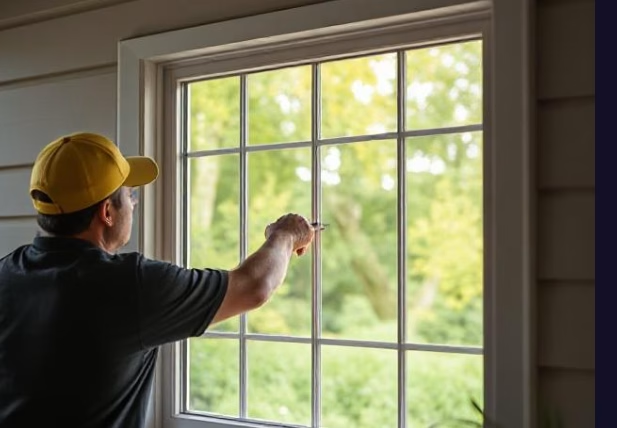
If you care about comfort and the climate, eco friendly window film is one of those quiet upgrades that just makes sense. You feel the room cool down. You notice fewer hotspots across the floor. Your power bill loosens its grip a little. I like how simple it is, almost modest, but it keeps delivering season after season. In this guide, we’ll unpack what it is, how it works, and the practical things you should consider for a home or workplace. We’ll stay grounded and honest. And yes, we’ll talk numbers. Along the way, you’ll see where an eco friendly window film fits beside other upgrades like shading or smarter thermostats.
Tint Shop NC
Telephone: (704) 682-2971
What Makes A Window Film “Eco” In The First Place?
At its core, an eco friendly window film reduces energy waste by controlling heat, glare, and ultraviolet radiation. It improves insulation, reflects or absorbs parts of the solar spectrum, and supports stable indoor temperatures. That means your HVAC runs less, which lowers emissions tied to electricity use. The sustainability story also includes materials and installation: environmentally safe window film options avoid harsh chemicals, aim for low-VOC adhesives, and increasingly use recyclable window film components that don’t create headaches at end of life.
Behind the scenes, modern solar control window film uses microscopic metal or ceramic layers that interact with infrared and UV energy. Some films are nearly invisible. Others are lightly tinted. You can get reflective solar film for heavy sun exposures or thermal insulation film that emphasizes winter performance. There is plenty of choice, and that can be… a little much at first.
How Window Films Improve Energy Efficiency
Let’s keep this part simple. Sunlight brings visible light and heat. The right eco friendly window film manages the heat and lets daylight remain usable. In summer, it rejects a chunk of solar heat gain, easing the cooling load. In winter, low-e variants reflect room-side warmth back indoors, helping you keep heat where you paid to create it. Together, these effects stabilize indoor temperatures, which is the core of energy-saving window solutions. It feels better and it uses less.
You also receive UV protection window film benefits. By filtering up to 99 percent of UV, films protect flooring, art, and skin. Glare reduction window film softens harsh light so screens and conference tables become workable again. None of that requires heavy construction. No wall openings. No window replacement. Just a careful surface prep and a skilled installer.
Residential Comfort Vs. Commercial Performance
People ask for the best eco friendly window film for homes and the eco friendly window film for office buildings in the same breath. The goals overlap but there are subtle differences. Homes tend to prioritize natural light control film, privacy, and balanced views. Offices often emphasize peak heat rejection, uniform appearance, and glare control across large glazed areas. Sustainable office window film packages may also pair shading, daylight sensors, and policy changes like closing blinds after hours. That’s not a moral stance, just a good habit.
Either way, energy efficient window film sits in a sweet spot. It is fast to install, immediately noticeable, and compatible with eco-conscious home design and sustainable interior design plans. In mixed climates, an eco friendly window film can be the first step before you even consider window replacement. Pair it with better weatherstripping and a smart thermostat and you get a simple path toward measurable savings.
Choosing The Right Sustainable Window Film
If you like checklists, here is one you can actually use:
- Exposure: Where does the sun hit hardest and for how long
- Glass type: Single, double, low-e, or tempered. Each one matters for compatibility
- Goals: Heat reduction, glare, privacy, or UV protection. Rank them, seriously
- Aesthetics: Neutral, lightly tinted, or reflective. Your taste counts
- Safety: Look for non toxic window film with low-VOC adhesives
- Durability: Ask about scratch-resistant coatings and warranty length
- Carbon: Consider low carbon window film with verified heat rejection
- Future removal: Confirm if the film is cleanly removable and recyclable
This is where a local pro helps. Tint Shop NC spends its days matching goals to glass. A quick site walk often reveals easy wins you can’t see from a spec sheet.
Types Of Films And Where They Shine
- Solar control window film. The workhorse for hot, bright exposures. It cuts heat, tames glare, and protects interiors.
- Low-e, insulating film. Acts like an extra thermal layer in cooler seasons while still helping in summer. A quiet hero.
- Ceramic, spectrally selective film. High clarity, strong infrared rejection, minimal reflectivity. Great when views matter.
- Reflective solar film. Serious heat rejection and daytime privacy on tough western or southern elevations.
- Safety and security film. Not strictly an energy product, but it adds tear resistance and can be paired with energy-efficient options.
- Decorative and privacy film. Frosts and patterns that also filter light. Useful in bathrooms and conference rooms.
Each category overlaps with the next, which is fine. Real life is messy. A small test panel can help you decide without second guessing for weeks.
Materials, Of Films And Where They Shine
Sustainability includes what goes into a product and what happens later. Look for eco window tint solutions that minimize off-gassing and use adhesives designed for indoor air quality. Environmentally friendly window tint options now include halogen-free constructions and responsibly sourced polyester. Some manufacturers offer take-back programs for film removed at end of life. That is still evolving, but it is moving in the right direction.
When you see phrases like recyclable window film or eco insulation window film, ask what that means in practice. Is the liner recyclable locally. Can the polyester be recovered by the manufacturer. Simple questions bring clear answers.
Comfort You Can Feel, Savings You Can Track
I like data that you can feel in your shirt sleeves. Heat reducing window film cuts that late-afternoon spike that used to send you hunting for the thermostat. It lowers the hours your compressor runs. If you track bills month to month, you usually see a pattern within one cooling season. The exact number depends on glass area, orientation, climate, and building behavior. Still, the combination of carbon footprint reduction film effects and home energy saving window film habits adds up.
Offices see gains in productivity. Fewer complaints about glare. Fewer manual tweaks to blinds. A steadier background makes it easier to focus, which is oddly underrated.
Design That Respects Daylight
Natural light is precious. Good films respect that by letting visible light pass while shaping the infrared and ultraviolet parts of the spectrum. Think of it as climate-smart window treatment rather than a dark shade. You keep lines of sight to trees and sky, which matters for well-being. In collaborative spaces, glare reduction can reduce meeting fatigue. In living rooms, softer light makes afternoon reading feel calmer. None of this is dramatic, but it stacks up.
If your project follows green building materials guidelines, film is a tidy way to lift performance without changing the structure. It pairs neatly with eco window coverings and smart shading. It even plays well with plants. The room feels more alive, not less.
Installation Tips For Eco Friendly Window Film
People sometimes install film as a weekend project. It can work. It can also test your patience. A professional installer brings three advantages that are hard to replicate: surface prep, dust control, and glass-failure knowledge. Here are quick tips whether you DIY or hire:
- Clean beyond the glass. Frames and gaskets shed particles that wander under film at the worst moment
- Use filtered water and a proper slip solution
- Work in stable temperatures
- Confirm glass and film compatibility for heat absorption limits
- Protect edges during curing. Pets and curious hands will investigate
- Give film time to dry. A little haze is normal at first
Tint Shop NC handles eco glass film installation daily, which means fewer surprises and cleaner edges. If you want to see a sample on your actual window, ask for one. It is the easiest way to make a confident choice.
Tint Shop NC
Telephone: (704) 682-2971
Cost And Payback Without The Hype
Let’s talk costs in a practical way. Material and labor vary by film type and glass condition. Offices with large panes benefit from scale. Homes often choose premium clarity for street-facing windows and stronger green window tinting on the rear. The payback math is straightforward. You reduce cooling and sometimes heating demand. You extend the life of furnishings by blocking UV. You spend less on supplemental shades you never quite loved anyway.
Some projects chase the last decimal point. Reasonable. Just remember the quieter gains. Less noise from the HVAC short-cycling. Fewer afternoon arguments over blinds. A more even temperature between the sunny and shaded side of a room. The benefits ripple beyond a single bill.
Carbon And Community
A building that uses less energy is kinder to the grid on the hottest days. That helps your neighbors and reduces the chance of outages. It also lowers your indirect emissions. Pair an eco friendly window film with a few behavior tweaks and you get further. Close interior doors to zone space. Use task lighting instead of lighting a whole floor. Set thermostats a touch higher in summer and a touch lower in winter. Nothing heroic. Just good habits that stick.
Common Myths And Small Truths
- “Films make rooms dark.” Not necessarily. Spectrally selective options keep plenty of light while cutting heat.
- “You must replace windows to save energy.” Often false. Film is a fast, lower-carbon path to big gains.
- “Films damage glass.” The wrong match can, which is why compatibility checks matter. The right match is safe.
- “You cannot see outside.” Depends on the film. Many are nearly invisible.
- “It will peel.” Quality films with proper prep hold for many years. Warranties exist for a reason.
Small truths are more helpful than big promises. If a claim sounds absolute, ask for a sample or a case study.
A Quick Selection Path You Can Follow
- Map sun exposure by facade and time of day
- Rank goals. If two matter most, name them first
- Compare two or three film families, not ten
- View in real conditions for at least one day
- Choose an installer with commercial and residential experience
- Plan maintenance. Washing is simple, but use soft tools
By the end of this, the decision usually feels obvious. You may even wonder why you waited.
Why Tint Shop NC
We like quiet wins at Tint Shop NC. Our team lives on ladders and in sunlit rooms, figuring out what will work best for your space. If you want something subtle for a living room, we will test a high-clarity ceramic. If you need a stronger solution for a glassy corner office, we will lean into a higher heat rejection ratio. We listen. We adjust. And we offer options that feel responsible for your budget and the planet.
FAQ
What is the best eco friendly window film for homes?
It depends on your goals and glass. For most living rooms, a spectrally selective ceramic gives strong heat rejection with a neutral look. Bedrooms often benefit from a slightly darker tint for privacy. Samples help you decide without regret.
How does an eco friendly window film reduce energy use?
By blocking parts of the solar spectrum that become heat indoors and by reflecting room-side heat during winter if you choose a low-e variant. The HVAC cycles less. Comfort rises.
Are eco friendly window films recyclable?
Some families incorporate recyclable layers, and a few manufacturers run take-back programs. Ask about options in your area and how removal works at end of life.
What are the cost savings from an eco friendly window film?
Savings vary with exposure, glass area, climate, and rates. Many projects see noticeable reductions in cooling energy within the first season, along with protection against UV-related fading.
How do I choose the right sustainable window film?
Start with exposure and goals. Then narrow by clarity and reflectivity. Confirm compatibility, warranty, and maintenance. A local installer can simplify the trade-offs in one visit.
Is there a difference between eco window film vs traditional window tint?
Yes. The eco focus prioritizes heat rejection per unit of visible light blocked, indoor air quality, and end-of-life considerations. Traditional tint may emphasize appearance over performance.
Any installation tips for eco friendly window film?
Clean aggressively. Control dust. Work in mild temperatures. Protect edges while curing. Or ask a pro to handle it. You save time and avoid do-overs.
Can a film help reduce carbon emissions?
Indirectly, yes. Using less energy to heat and cool means fewer emissions from power generation. Pair film with simple habits and the effect grows.
Does film affect plants or indoor daylight?
Most houseplants do fine, especially with high-clarity films. If you have light-sensitive varieties, place a test panel near them for a week. You will know quickly if they thrive.
Will it change the look of my building?
You can choose neutral, low-reflectivity options that maintain the original appearance, or go for a bolder reflective look that creates daytime privacy. Your call.
Quick Note
Choosing an eco friendly window film is not about perfection. It is about steady improvements that feel good to live with.
If you want straight answers and a clean install, Tint Shop NC is easy to reach. We can bring samples, walk the space, and help you choose a path that saves energy without sacrificing the reason you liked those windows in the first place.